Monolaurin Benefits: Scientifically Explained
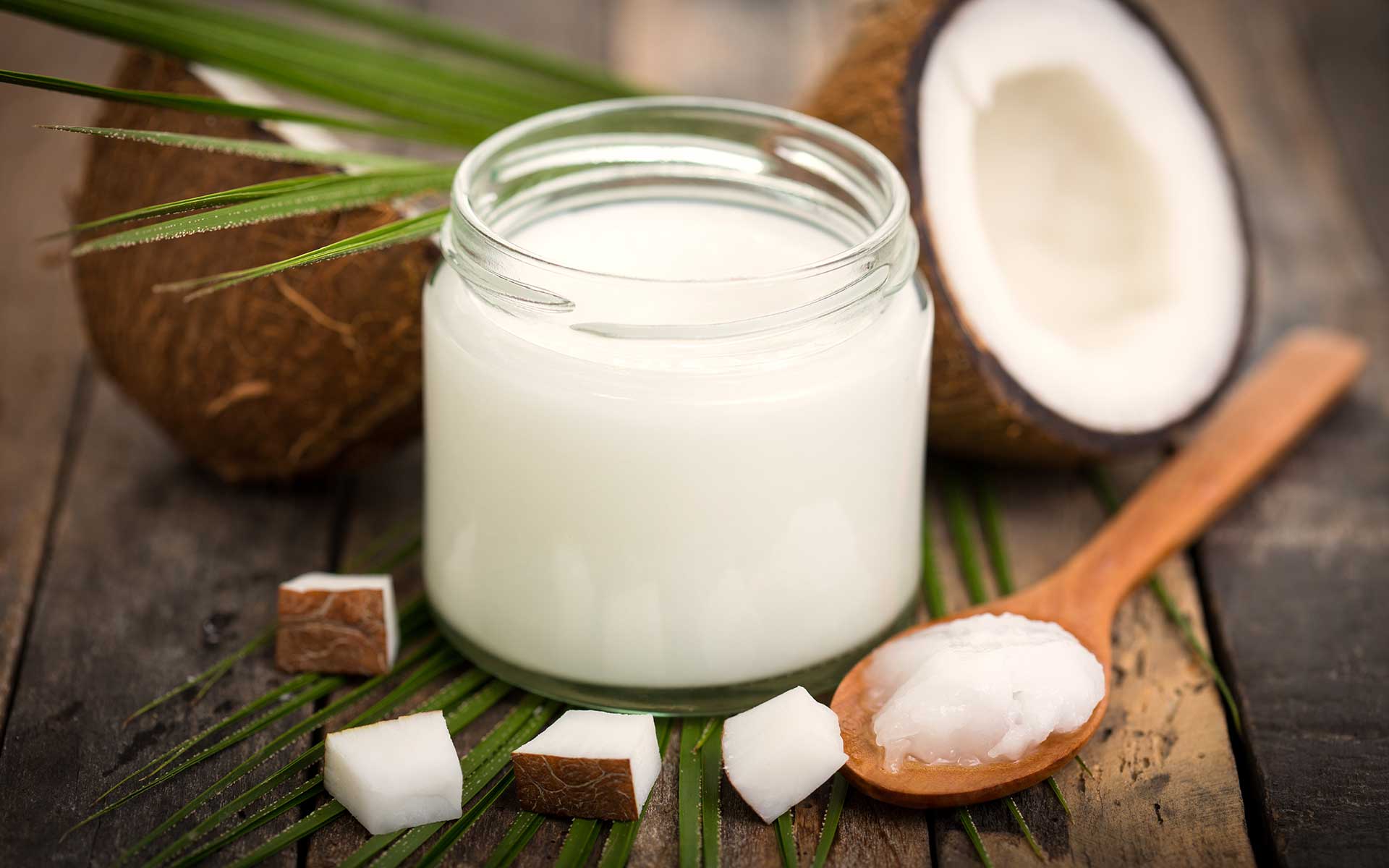
Monolaurin is a natural compound derived from lauric acid, a healthy fat found in coconut oil and breast milk. It’s widely recognized for its antimicrobial and antiviral properties, which can support the body’s defense against bacteria, viruses, and yeast. Research also suggests that monolaurin may help the immune system respond more efficiently.
What Is Monolaurin and How Does It Work?
Monolaurin is made by combining glycerol with lauric acid, a fatty acid most commonly found in coconut oil, breast milk, and palm kernel oil. In the scientific community, it’s often referred to as glycerol monolaurate (GML). Monolaurin’s structure as a monoglyceride gives it both water-attracting and fat-attracting properties, allowing it to interact effectively within the body. This unique structure plays a key role in its function.
So, what does monolaurin do? It works by targeting the outer layer of certain microbes. Many bacteria and viruses have a protective lipid (fatty) membrane. Monolaurin can disrupt or weaken this layer, making it harder for these pathogens to survive and spread. For this reason, it’s commonly used to help support the body’s natural defenses against bacteria, viruses, and yeast.
How Monolaurin Kills Viruses and Bacteria
Many viruses and bacteria are surrounded by a soft, fatty coating that helps them survive and infect cells. This coating is called the lipid envelope. Research in cell culture experiments indicates that monolaurin can disintegrate the lipid envelope of many enveloped viruses. Once that coating is damaged, the virus or bacteria can no longer function properly or spread. This is why monolaurin's antiviral and antibacterial properties are widely discussed.
Well-known viruses with lipid envelopes include herpes simplex virus, influenza virus, HIV, and Epstein-Barr virus. To date, most research on how monolaurin kills viruses and bacteria comes from laboratory studies, with large human trials still pending.
Top Monolaurin Benefits (Backed by Research)
Evidence from studies suggests that monolaurin offers several potential health benefits, including supporting immune health and combating certain microbes. Understanding the benefits of monolaurin can help you make informed choices about supplements and wellness routines.
Below, we break down the most well-known benefits of monolaurin and how it can support the body.
Antibacterial Benefits of Monolaurin
In the 60s and 70s, a researcher named Jon Kabara, Ph.D., studied the unique properties of breast milk, trying to determine how it remained free of bacteria once outside the body. He discovered that breastmilk contained a unique medium-chain fat called monolaurin.
More recently, the antibacterial effects of monolaurin have been studied in laboratory settings, including against bacterial strains such as Staphylococcus aureus (staph). In a lab comparison against multiple conventional antibiotics, monolaurin showed broad‑spectrum inhibitory effects on bacteria cultured from skin infections. In other words, it affected the bacteria, and they didn’t develop resistance.
Antiviral Benefits of Monolaurin
Another of the studied monolaurin benefits is its antiviral activity, particularly against lipid‑coated viruses such as herpes viruses, influenza, and HIV. Laboratory research has demonstrated that monolaurin can reduce viruses’ ability to attach to or enter cells, lowering their ability to cause infection.
As discussed, its potential to bind to the virus’s lipid-protein envelope disrupts the membrane and prevents replication. While promising in vitro, most research is lab-based, and evidence in humans is limited. In any case, these findings highlight monolaurin’s potential as a natural antiviral agent.
Antifungal Benefits (Candida and Yeast)
Research also suggests monolaurin may have antifungal activity against organisms like Candida albicans. This yeast normally lives in the gut but can overgrow and contribute to digestive or oral issues when the microbial balance is disrupted. Studies indicate that monolaurin inhibits the growth of C. albicans biofilms. It also reduced yeast levels in lab applications, suggesting it can act against Candida. And yet another study revealed that topical monolaurin reduced oral fungal infection, further supporting its potential as an antifungal compound.
Immune System Support and Inflammation
Monolaurin’s ability to fight certain microbes may lighten the load on your immune system, giving it a chance to focus on other tasks. Scientists have found that monolaurin can help modulate the signals that trigger inflammation, suggesting it may help the immune system respond more efficiently. Inflammation is your body’s natural way of fighting infection or healing after injury. But when it sticks around too long, it can contribute to chronic health problems.
For those interested in supporting immunity through a broader wellness approach, check out Martin’s best supplements for immune support to see vitamins and nutrients that can complement natural compounds like monolaurin.
Monolaurin Uses: What Is It Good For?
As a natural compound, monolaurin is most often cited for its potential antimicrobial and immune-supporting effects. Various laboratory studies over decades suggest it may help reduce the activity of certain bacteria, viruses, and yeasts, sparking interest in its potential to support overall immune function. Some supplement monolaurin as part of their wellness routine to help maintain a balanced microbial environment, particularly in the gut and oral cavity.
Monolaurin and Specific Conditions
We’ve introduced various monolaurin benefits, specifically around antimicrobial properties and immune support. Let’s explore some of the more condition-specific applications monolaurin has been associated with.
Monolaurin and Candida Overgrowth
Studies have shown that monolaurin has potential antifungal activity against yeasts, including Candida albicans. Candida albicans is a common fungal pathogen, or yeast, that lives in the gut, on the skin, and in other areas of the body. Your digestive system is home to trillions of microbes, and balance is key to maintaining gut health. When yeast like Candida albicans grows out of control, it can disrupt this balance, sometimes causing:
- • Digestive issues such as bloating, gas, or irregular bowel movements
- • Overgrowth of harmful microbes that compete with beneficial bacteria
- • Mild immune system strain due to ongoing microbial activity
Monolaurin can help disrupt the cell membranes of Candida albicans, reducing fungal growth and helping maintain a healthier microbial environment. Maintaining a balanced gut microbiome is key to overall wellness. It supports healthy digestion and nutrient absorption, while also helping beneficial bacteria thrive.
Monolaurin and Herpes Viruses
Another interesting area of study involves monolaurin and herpes simplex virus (HSV), the virus responsible for cold sores. HSV is a lipid-coated virus, meaning it is surrounded by a protective fatty envelope. One of the benefits of monolaurin is that it can target this layer, making it harder for the virus to attach to and enter cells. Thanks to this unique action, many people include monolaurin supplements in their wellness routines to maintain viral balance and potentially reduce the frequency or severity of flare-ups.
Some users take monolaurin daily or at the first sign of a cold sore as part of a proactive approach to viral wellness. Beyond HSV, its ability to interact with lipid-coated viruses highlights why monolaurin is considered a versatile natural compound for overall viral and immune health.
Monolaurin and Depression (Gut-Brain Axis)
Emerging research suggests a strong connection between gut health and mental well-being through the gut-brain axis. This is the two-way communication between the digestive system and the brain. Changes in gut microbes and low-level inflammation may influence mood and emotional health. Monolaurin’s antimicrobial properties may help support this system by reducing harmful bacteria and yeast overgrowth, which can disrupt gut balance.
Monolaurin may indirectly contribute to a more balanced gut ecosystem by promoting a healthier microbial environment and supporting gut barrier function. Some studies also suggest it can help lower gut inflammation, another factor linked to mood and brain function. These findings highlight why monolaurin continues to be explored as part of broader approaches to wellness that support both digestive and mental health.
Monolaurin Side Effects and Safety
When used as directed, monolaurin is considered generally safe for most people. However, as with any supplement, individual responses can vary. The Food and Drug Administration (FDA) has granted glycerol monolaurate (GML), a chemical name for monolaurin, the status of Generally Recognized as Safe (GRAS) for use in food.
Coconut allergies pose a risk when taking monolaurin that has been made from coconut products. There is limited research on long-term use, so it’s important to use monolaurin thoughtfully and under the guidance of a healthcare provider, especially for those who are pregnant, nursing, or diagnosed with any medical conditions. As with starting any new supplement, it’s wise to consult a healthcare professional or seek medication management services to ensure safety, especially when taking other medications
Monolaurin Effects on Liver and Long-Term Health
Questions about monolaurin liver effects and long-term use are common, especially with regular supplementation. Monolaurin is derived from fats that the body can metabolize, and current research does not provide clear evidence of liver toxicity. However, most studies have been short-term or conducted in laboratory settings, so data on monolaurin's long-term safety is still limited. We recommend that individuals with existing liver conditions or those taking medications that affect liver function consult a healthcare provider before use.
Monolaurin Dosage and Supplement Guide
Since taking monolaurin in supplement form hasn’t been evaluated by the FDA as a treatment for any medical condition, there are no standard dosing guidelines. As with any supplement, we recommend following the package dosing guidelines or consulting with a healthcare professional. Based on manufacturer recommendations and anecdotal use, commonly suggested ranges fall between 300 mg and 3,000 mg per day. Monolaurin supplementation is available in several forms, including capsules. Quality matters when considering monolaurin supplement benefits. Look for products that are third-party tested, clearly labeled, and free from unnecessary fillers or additives.
What Does Science Say About Monolaurin?
The antibacterial properties of monolaurin are clearly established in scientific research. Some studies have found that it has health benefits, including effectiveness against antibiotic-resistant infections like staph. It’s important to note that most monolaurin studies have been conducted in laboratory (in vitro) settings, where researchers observe how monolaurin interacts with bacteria, viruses, and yeast in controlled environments. There has also been some animal research conducted suggesting similar antimicrobial and immune-related effects, including potential impacts on inflammation and microbial balance.
Evidence Breakdown: Lab vs Human Studies
Although lab studies are beneficial, it’s helpful to understand the difference between study types, i.e., lab vs human. Lab studies are the most common and show how monolaurin interacts directly with microbes, often demonstrating strong antimicrobial effects. Animal studies bring us closer to real-world biology, offering insights into how these effects may operate in a living system.
However, human studies on monolaurin are limited, and this is where the biggest gap exists. Without large clinical trials, it’s difficult to confirm how well these effects translate to people. To date, most of the known benefits of monolaurin are based on early-stage research rather than definitive human outcomes.
Monolaurin vs Lauric Acid: What’s the Difference?
Monolaurin and lauric acid, although closely related, are not the same. Lauric acid is a medium-chain fatty acid naturally found in breast milk and coconut oil, with some coconut products containing up to 50% lauric acid. Monolaurin is a compound your body can produce by converting lauric acid during digestion. However, not all ingested lauric acid is converted to monolaurin, which can limit the amount available for use in the body.
Many people choose to supplement to gain the benefits of monolaurin rather than rely on the body’s conversion process. Monolaurin is often considered the more active form, as it may interact more directly with certain microbes and support overall immune balance.
If you are considering adding monolaurin to your routine, a qualified wellness professional at Martin’s Wellness can help you determine whether it is a good fit and guide you toward supplement options. We carry a large inventory of high-quality, handpicked wellness supplements online and at our Austin and Dripping Springs locations.