Could Hormone Replacement Therapy Help PMS?
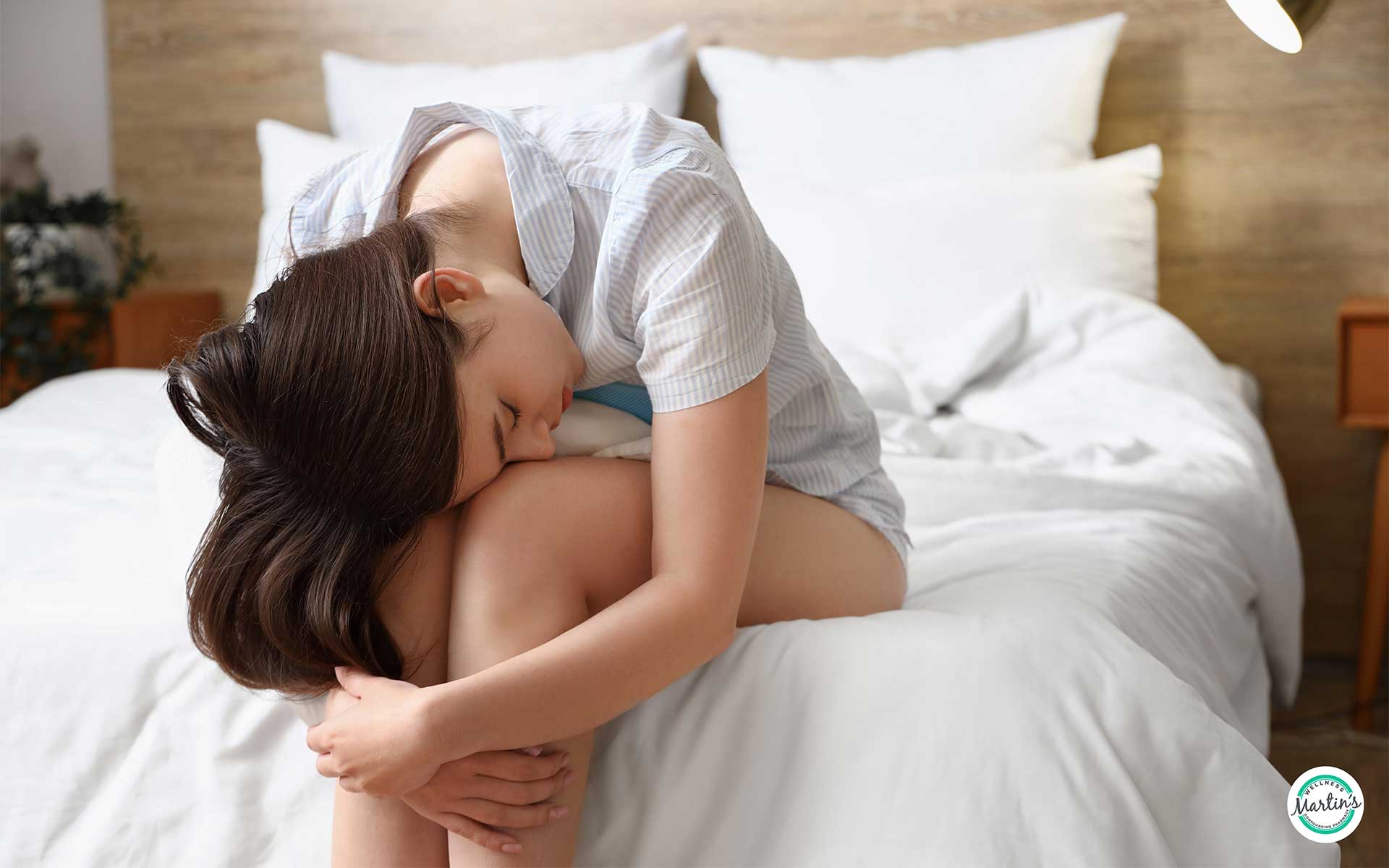
Understanding the Hormonal Connection Behind Mood Swings, Cravings, and Monthly Misery
For millions of women, PMS is far more than a few days of irritability or bloating. It can affect mood, energy, sleep, focus, appetite, relationships, and overall quality of life. Many women spend years believing that severe PMS is simply something they have to “push through.” But in many cases, the symptoms are actually a sign of underlying hormonal imbalance—and that imbalance may be treatable.
As we learn more about women’s hormones and brain chemistry, it has become increasingly clear that hormonal fluctuations can significantly impact emotional and physical health. In some women, carefully monitored hormone replacement therapy (HRT) or hormone balancing strategies may dramatically improve PMS symptoms and restore a sense of stability throughout the month.
What Causes PMS?
PMS, or premenstrual syndrome, is not caused by having “too much” or “too little” estrogen alone. Instead, it is often related to fluctuations in hormones during the second half of the menstrual cycle.
After ovulation, progesterone should naturally rise to balance estrogen and support calming brain chemistry. When progesterone levels are inadequate—or when estrogen fluctuates excessively—women may experience symptoms such as:
- • Mood swings
- • Anxiety or irritability
- • Breast tenderness
- • Bloating and fluid retention
- • Headaches or migraines
- • Fatigue
- • Sleep disruption
- • Food cravings
- • Depression or tearfulness
- • Brain fog
These symptoms may become even more pronounced during perimenopause, when hormone levels begin fluctuating unpredictably.
The Brain-Hormone Connection
Hormones do far more than regulate reproduction. Estrogen and progesterone have profound effects on neurotransmitters in the brain, including serotonin, dopamine, and GABA.
Estrogen helps support serotonin and dopamine activity, which influence mood, motivation, and emotional resilience. Progesterone, meanwhile, has calming effects through its interaction with GABA receptors—the same system targeted by many anti-anxiety medications.
When these hormones swing dramatically or fall out of balance, the nervous system may become more reactive. This is why many women describe feeling like “a different person” during the week before their period.
How HRT or Hormone Balancing May Help
For women with significant hormonal symptoms, restoring balance may improve both physical and emotional PMS symptoms.
Depending on the individual, treatment strategies may include:
Progesterone Support
One of the most common hormonal imbalances associated with PMS is low or insufficient progesterone.
Bioidentical progesterone may help:
- • Improve sleep
- • Reduce anxiety and irritability
- • Decrease breast tenderness
- • Improve mood stability
- • Reduce heavy bleeding
- • Support calmer brain chemistry
Many women report feeling noticeably calmer and more emotionally stable once progesterone is optimized.
Estrogen Optimization
In some women—particularly during perimenopause—erratic estrogen fluctuations can contribute to mood instability, migraines, night sweats, fatigue, and worsening PMS symptoms.
Carefully balancing estrogen levels may help smooth these hormonal swings and improve:
- • Mood
- • Energy
- • Cognitive function
- • Sleep
- • Hot flashes and night sweats
- • Menstrual migraines
Testosterone and Metabolic Health
Although often overlooked, testosterone also plays a role in mood, motivation, libido, and energy in women. In select patients, optimizing testosterone may help improve resilience, confidence, and overall well-being.
PMS vs PMDD: Knowing the Difference

Some women experience symptoms far beyond traditional PMS. Premenstrual Dysphoric Disorder (PMDD) is a severe hormone-related mood disorder that can include intense depression, rage, panic attacks, or hopelessness in the days leading up to a menstrual cycle.
Women with PMDD should be evaluated carefully, as treatment may require a combination of hormone therapy, lifestyle interventions, nutritional support, and mental health care.
Lifestyle Still Matters
Hormones are only one piece of the puzzle. Even with hormone therapy, lifestyle factors strongly influence PMS symptoms.
Important supportive strategies include:
- • Prioritizing sleep
- • Resistance training and exercise
- • Blood sugar stabilization
- • Reducing alcohol intake
- • Managing chronic stress
- • Increasing protein and nutrient intake
- • Magnesium and omega-3 support
- • Limiting ultra-processed foods
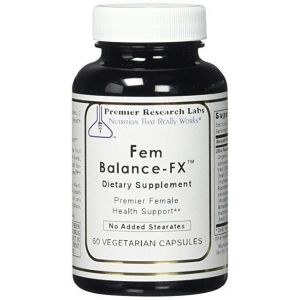
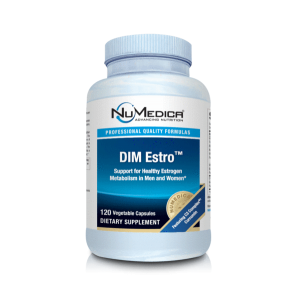
The body responds best when hormones, nutrition, sleep, stress management, and movement work together.

The Importance of Personalized Care
Hormone therapy is never one-size-fits-all. The key is identifying the root cause of symptoms through a detailed history, appropriate testing, and individualized treatment planning.
For some women, nutritional support and lifestyle changes may be enough. For others, hormone optimization can be life-changing.
The most important thing women should know is this: severe PMS is not something you simply have to tolerate. If your hormones are disrupting your quality of life, your body may be asking for support—not silence.
When properly evaluated and monitored, hormone balancing strategies may help women feel more emotionally stable, energetic, rested, and like themselves again—not just part of the month, but all month long.
If your PMS symptoms are creating regular monthly misery, we can help. Contact us today to speak with one of our pharmacists about support options.