Staying Allergy-Free in Summer: Why You Need a Smarter Approach
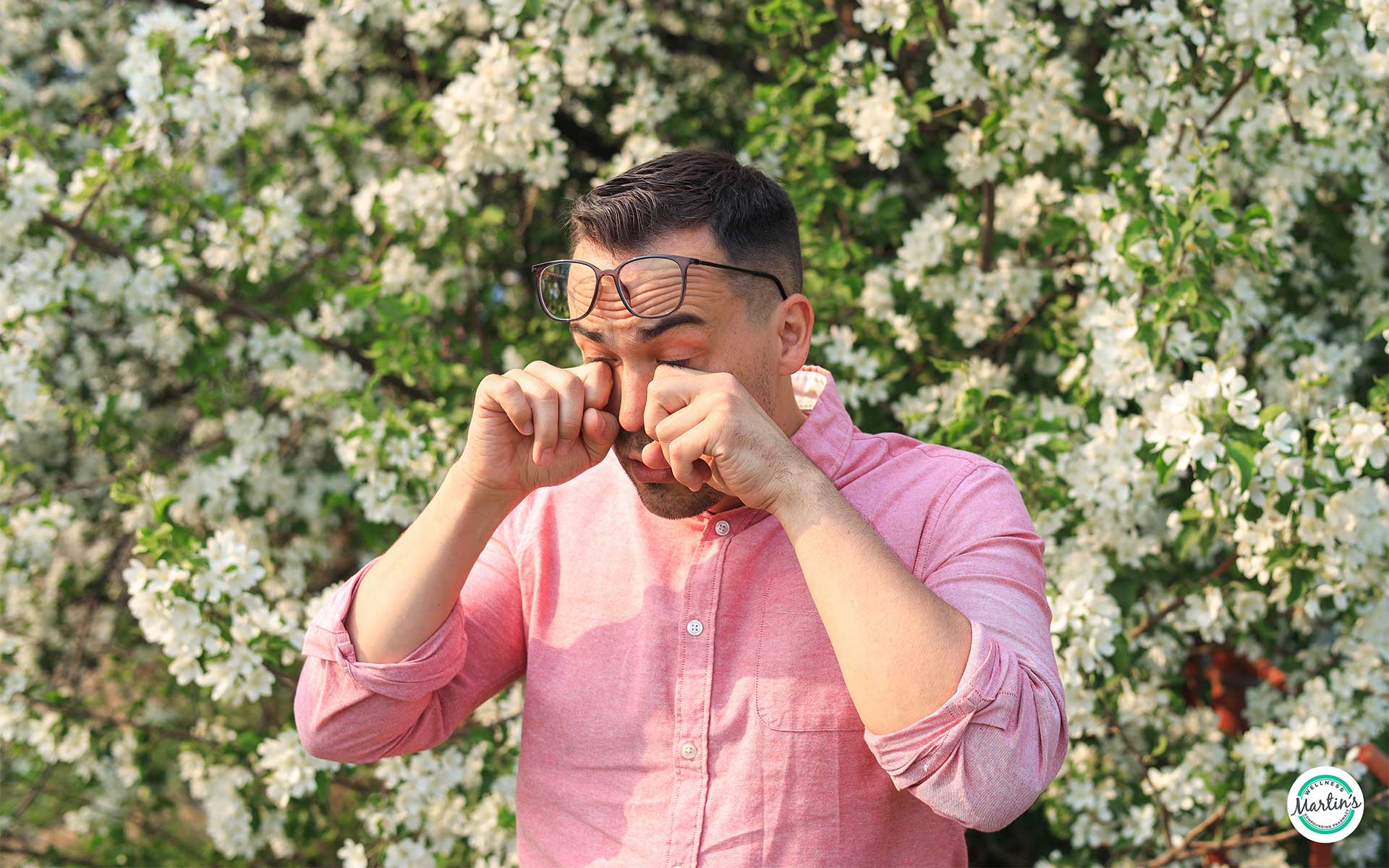
For many of us, summer means sunshine, longer days, and more time outdoors. But for allergy sufferers, it can also bring a whole new set of challenges. While spring allergies tend to steal the spotlight, summer has its own allergens that can make your eyes itch, your nose run, and your energy plummet.
Here’s why summer allergies happen, why popping an antihistamine long-term isn’t your best strategy, and how natural supplements like quercetin can help you breathe easier all season long.
Why Summer Allergies Are Different
Spring allergies are usually triggered by tree and early grass pollen. By summer, the culprits shift:
- • Grass pollen peaks in early summer.
- • Weeds like ragweed, sagebrush, and lamb’s quarters start releasing pollen later in the season.
- • Mold spores grow in warm, damp areas, especially after summer rains.
- • Air pollution and ozone, which tend to rise in hot weather, can exacerbate symptoms.
So, if you’re still sneezing in July or August, it’s not your imagination — summer has its own allergen load, and it often overlaps with outdoor activities that increase your exposure.
Why You Should Rethink Long-Term Antihistamines
When allergies strike, many reach for over-the-counter antihistamines. While they can bring quick relief, they aren’t meant to be a permanent solution — and they come with some important downsides.
Potential issues with long-term antihistamine use:
- • Dry mouth, dizziness, and fatigue.
- • Impaired memory and cognitive decline, especially in older adults.
- • Potential heart rhythm disturbances.
- • Masking symptoms without addressing the underlying inflammation.
- • Antihistamines block histamine (the chemical that triggers allergy symptoms), but they don’t reduce your sensitivity to allergens or improve your immune response.
That’s where a more holistic approach can make a big difference.
Supplements That Support Allergy Resilience
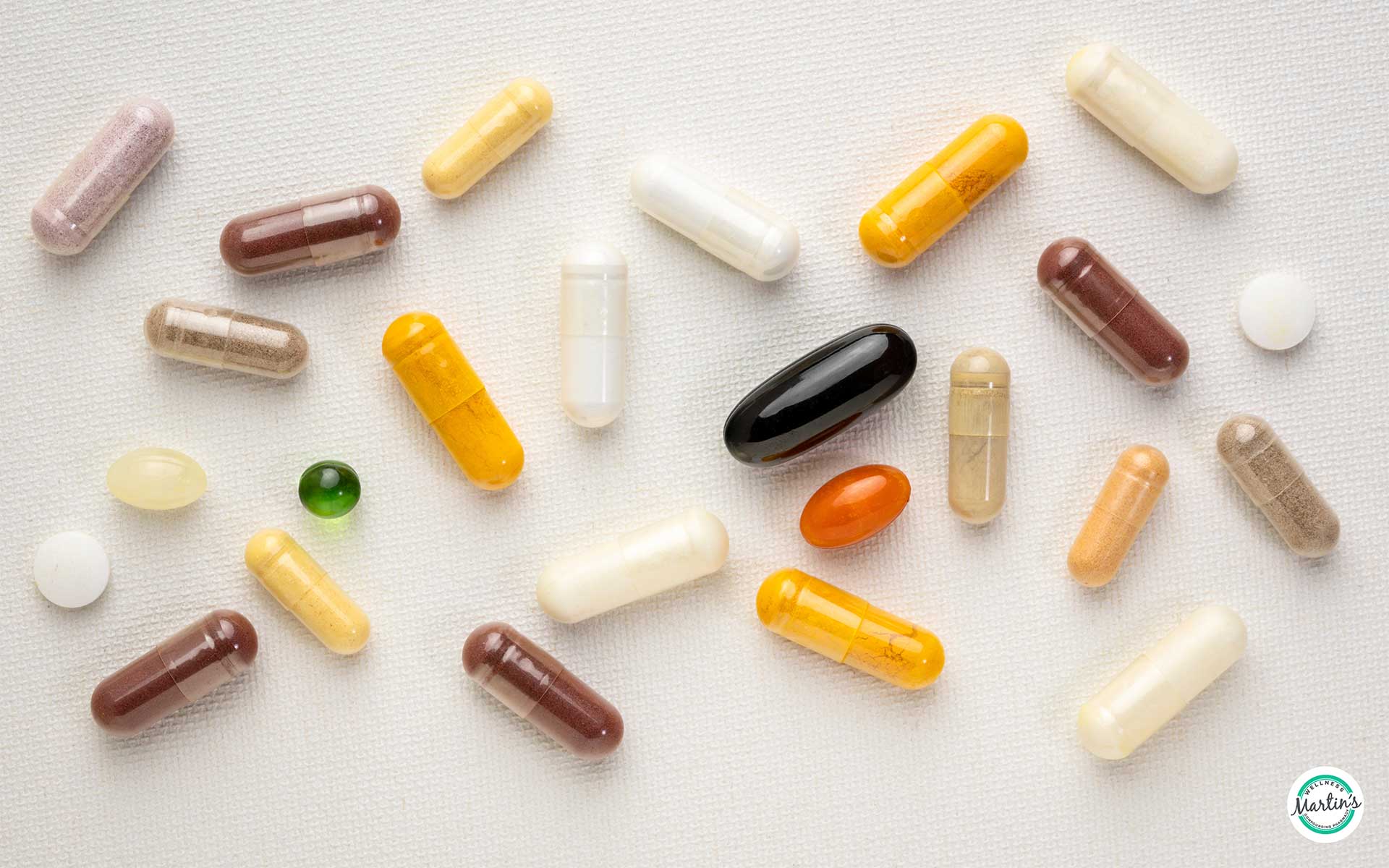
Rather than simply suppressing your body’s signals, you can help modulate the allergic response naturally. Several supplements have been studied for their ability to stabilize mast cells (the immune cells that release histamine), reduce inflammation, and calm your
immune system.
Top natural options:
- • Quercetin – A powerful bioflavonoid found in onions, apples, and capers.
- • Quercetin helps stabilize mast cells and reduces the release of histamine. Many people take it daily during allergy season for preventive support.
- • Vitamin C – Not only a classic immune booster, but it also has antihistamine properties and works synergistically with quercetin.
- • Bromelain – An enzyme from pineapple that can reduce nasal swelling and improve breathing. Often paired with quercetin.
- • Stinging Nettle – Contains compounds that naturally inhibit inflammation and histamine release.
- • Probiotics – Emerging evidence suggests that a healthy gut microbiome can reduce allergic sensitivity by modulating immune responses.
When choosing supplements, look for professional-grade formulations that come from a pharmacy with clinically effective doses. Always talk with your healthcare provider before starting new supplements, especially if you’re taking medications.
Lifestyle Tips for a Breathable Summer

- • Check pollen counts and plan outdoor activities when levels are lower (usually in the late afternoon or after rain).
- • Shower and change clothes after spending time outdoors to remove pollen.
- • Use a HEPA filter in your bedroom to reduce indoor allergens.
- • Stay hydrated — water helps thin mucus and support mucosal health.
- • Eat an anti-inflammatory diet rich in colorful fruits, vegetables, and omega-3s.
The Bottom Line
Summer doesn’t have to mean months of misery. By understanding the unique allergens of the season, being cautious with long-term antihistamine use, and incorporating natural supplements like quercetin into your routine, you can reduce symptoms and enjoy more of what summer has to offer!

Ruthie Harper, MD
Dr. Harper founded Ruthie Harper MD, her internationally recognized practice in Austin, Texas, in 1999. Since that time, she has consulted with more than 10,000 patients and offers the latest services and techniques in health and wellness in the medical division of her practice, as well as non-surgical rejuvenation and skincare in the cosmetic portion of her practice. Her ongoing success serving the health and beauty industries is based primarily on her innovative integration of research, nutritional science, advanced functional testing, and advanced aesthetics.