Niacin vs Niacinamide

Is niacin the same as niacinamide? Understanding the difference between niacin and niacinamide can be confusing, given the similarity of their names. They are both forms of vitamin B3, but serve different purposes. Niacin is primarily used for cholesterol management, whereas niacinamide is commonly found in skincare and supplements. In this article, you will learn everything you need to know about niacin and niacinamide, including how they compare, how they are different, and how they are used. So, let’s dive right into it.
Niacin vs Niacinamide: Quick Comparison
What is the difference between niacin and niacinamide? Aside from both being a form of vitamin B3, the similarities between niacin and niacinamide pretty much end there. Niacinamide (a.k.a., nicotinamide or nicotinic acid amide) is derived from niacin. Our bodies can convert niacin to niacinamide, which can also be produced from the amino acid tryptophan. Understanding niacinamide vs niacin requires understanding their functions, which we detail further next.
Here are the key differences between the two, including uses and side effects, which vary in important ways.
Function
- • Niacin: Supports cholesterol management and cardiovascular health.
- • Niacinamide: Supports cellular health and skin function.
Side Effects
- • Niacin: Can cause flushing, tingling, and redness.
- • Niacinamide: Generally well-tolerated with minimal side effects.
Flushing
- • Niacin: Common
- • Niacinamide: None
Cholesterol
- • Niacin: Helps lower LDL and raise HDL.
- • Niacinamide: No significant impact.
Skin Benefits
- • Niacin: Limited
- • Niacinamide: Improves texture, tone, and barrier function.
What Is Niacin (Vitamin B3)?
Niacin, a form of vitamin B3 also known as nicotinic acid, is an essential nutrient. A deficiency can result in pellagra, which includes symptoms such as delusions, mental confusion, diarrhea, nausea, inflamed mucous membrane, and scaly skin sores. When taken in sufficient amounts, niacin can help lower two types of "bad" cholesterol (LDL and VLDL) and increase levels of "good" cholesterol (HDL).
What does niacin do for the body? When used with lifestyle changes such as losing weight, eating a healthy diet, and increasing physical activity, it can not only lower high cholesterol but also help increase HDL. There are two other forms of niacin: niacinamide and inositol hexanicotinate (no-flush), both of which are also forms of vitamin B3. Therefore, they can technically be referred to as "niacin." What many people don't realize, however, is that these other forms of niacin do not work in the same way as niacin itself.
What Is Niacinamide?
Also known as nicotinamide, niacinamide is a form of vitamin B3 that is commonly used in skincare and supplements. In simple terms, it is a water-soluble vitamin that helps your body convert food into energy and supports healthy skin. Niacinamide is found in serums, moisturizers, and multivitamins, making it easy to incorporate into both skincare routines and daily nutrition.
Niacinamide benefits include strengthening the skin barrier, reducing redness, minimizing the appearance of pores, and improving uneven skin tone and texture. This is one of the biggest differences in the niacinamide vs niacin conversation. While both forms of vitamin B3 support overall health, niacinamide is typically preferred for skin-related benefits, whereas niacin is more commonly used to support cardiovascular health. More on this next.
Key Differences Between Niacin and Niacinamide

Given the name similarities, we’re often asked about the difference between niacin and niacinamide. There’s more than one, and they involve how each form of vitamin B3 functions in the body. Niacin is primarily used to support cardiovascular health, particularly in managing cholesterol levels. Niacinamide, on the other hand, is more focused on cellular health and skin support, making it a common ingredient in skincare and daily supplements.
One of the most noticeable niacin vs niacinamide differences is the flushing effect. Niacin can cause a temporary sensation of warmth, redness, and tingling in the skin due to the widening of blood vessels. Niacinamide does not cause flushing because it lacks the same vasodilating effect. For this reason, it’s a more comfortable option for regular use, especially for those with sensitive skin.
Both niacin and niacinamide also contribute to the production of NAD+, a coenzyme essential for cellular energy metabolism. However, they are metabolized slightly differently, which influences how they are used in supplements and treatments. Niacin is often taken in controlled doses for specific health goals, while niacinamide is more commonly used in consistent, everyday applications.
Understanding these distinctions helps when choosing between niacin and niacinamide for your specific needs, and we break them down further next.
Niacin vs Niacinamide for Cholesterol
There’s a clear choice here. Niacin has long been used to help manage lipid levels. It helps lower LDL and triglycerides while raising HDL. These niacin cholesterol benefits make it a clinically recognized option when lifestyle changes alone are not enough.
Does niacinamide lower cholesterol? No, niacinamide does not provide the same cholesterol benefits. While it still supports cellular energy production via NAD+ generation, it does not significantly affect cholesterol levels.
It’s also important to note that niacin should always be used carefully and under the guidance of a healthcare professional, especially when taken for cardiovascular support. The doses for cholesterol management are typically much higher than what you would find in standard supplements. These higher doses can lead to side effects such as flushing, liver strain, and interactions with other medications.
Niacin vs Niacinamide for Skin
Niacinamide is the clear winner. It’s versatile and widely used to support a range of skin concerns, including acne, redness, uneven tone, and early signs of aging. It helps regulate oil production, calm inflammation, and strengthen the skin barrier. It also improves moisture retention and overall skin resilience. These niacinamide skin benefits make it a go-to ingredient in serums, moisturizers, and treatments designed for both sensitive and acne-prone skin.
Why niacinamide for acne? It helps reduce excess sebum while soothing irritation, making breakouts less frequent and less severe. It smooths skin texture for more balanced-looking skin over time, without the harsh side effects associated with other popular acne-treatment ingredients.
Side Effects and Safety Differences

Niacinamide does not cause flushing and is generally well tolerated. However, very high doses may occasionally cause mild digestive issues.
Niacin, as previously mentioned, can cause side effects. The most obvious effect is flushing, which is temporary and generally not harmful. However, higher doses of niacin can also lead to liver strain, gastrointestinal discomfort, and potential interactions with medications. Also, those with a history of stomach ulcers should not take niacin.
If you are considering high-dose niacin for specific health goals, such as managing cholesterol, it’s important to consult a pharmacist or other healthcare provider first. They will ensure proper dosing, monitoring, and safety.
Niacin vs Niacinamide: Which Is Better?
Should you take niacin or niacinamide? It’s a common question, and the answer comes down to your specific health goals. There isn’t a universally “better” option, only the one that best fits your needs.
Choose niacin if your goal is cholesterol management. It has been shown to help improve lipid levels by lowering LDL and triglycerides while increasing HDL. But remember, due to its potency, it’s safer to use under medical supervision.
Choose niacinamide if your focus is skin health or general supplementation. It supports cellular energy, helps strengthen the skin barrier, and is commonly used for concerns like acne, redness, and uneven texture. It is also well tolerated and suitable for daily use.
Can You Take Niacin and Niacinamide Together?
Yes, but it’s not always necessary. Although they are both forms of vitamin B3 and contribute to similar processes in the body, they are typically used for different purposes. Let’s recap. Niacin supports cholesterol management, while niacinamide is used for skin health and general supplementation.
In most cases, one form is sufficient based on your specific goals. However, it's important to remember that niacin can have stronger effects and a higher risk of side effects at therapeutic doses. If you’re considering taking both as part of your vitamin B3 supplements, it’s best to consult a healthcare provider to avoid unnecessary overlap or potential side effects.
High-Quality Niacin & Niacinamide Supplements
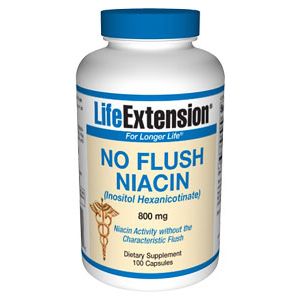
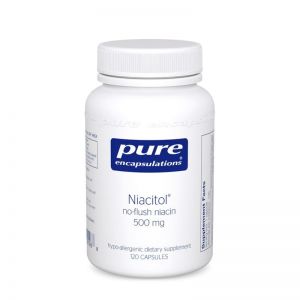
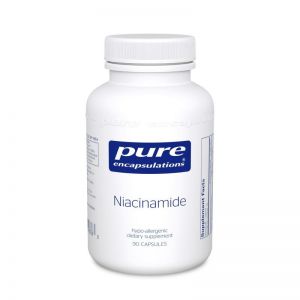
While there are many niacin and niacinamide supplements out there, our recommendation is Niacin by Douglas Labs, and Niacitol (no-flush niacin) by Pure Encapsulation. You can find both of these at any Martin’s Wellness pharmacy location, both in-store or online!
FAQ: Niacin vs Niacinamide
Why does niacin cause flushing but niacinamide does not?
The flushing associated with niacin is due to dilation of blood vessels, which produces redness, warmth, and tingling. Niacinamide does not have this effect.
Is niacinamide better for acne and skincare?
Yes. Niacinamide helps regulate oil production, reduce inflammation, strengthen the skin barrier, and improve uneven tone and texture. It is widely used in serums and moisturizers for acne-prone and sensitive skin.
Can niacinamide be taken as a supplement?
Absolutely. Niacinamide is commonly included in vitamin B3 supplements. It supports cellular energy, overall wellness, and skin health without causing flushing (like niacin).
Is nicotinamide the same as niacinamide?
Yes. Nicotinamide is the chemical name for niacinamide. Both terms refer to the same form of vitamin B3 and have identical functions and benefits.
Which form of vitamin B3 is best for general health?
Niacinamide is often preferred for general health and regular supplementation because it supports cellular energy and skin health without the flushing effect associated with niacin.
Are there natural food sources of niacin and niacinamide?
Yes. Niacin is found in foods like poultry, fish, and fortified grains. Niacinamide can form in the body from niacin in these foods. Both forms contribute to natural vitamin B3 intake.