Natural Ways to Support Your Immune System This Winter

Supplements and Lifestyle Choices That Help You Stay Well
Winter often brings more than colder weather—it also marks the season when colds, flu, and other respiratory illnesses tend to circulate more easily. While no approach can guarantee you won’t get sick, supporting your immune system with the right daily habits can make a meaningful difference.
At our pharmacy, we believe prevention starts long before symptoms appear. Here are evidence-informed, natural ways to help your body stay resilient throughout the winter months.
1. Prioritize Quality Sleep
Sleep is one of the most powerful immune-support tools available—and it’s completely free.
During sleep, your body produces immune-signaling molecules that help fight infection and regulate inflammation. Consistently getting fewer than 7 hours per night has been associated with increased susceptibility to illness.
Tips for better winter sleep:
- • Aim for 7–9 hours nightly
- • Keep a consistent bedtime and wake time
- • Limit screen use 1 hour before bed
- • Consider magnesium glycinate or magnesium threonate to support relaxation
2. Support Immunity with Key Supplements
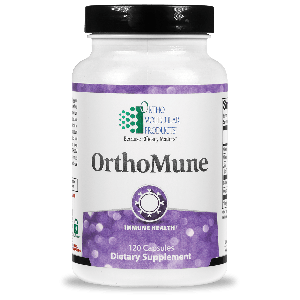
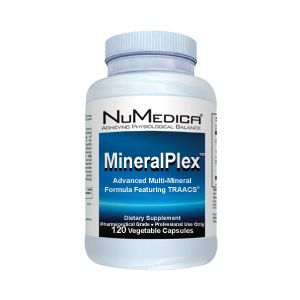
Targeted supplementation can help fill nutritional gaps, especially in winter when sunlight exposure and fresh food variety may decline.
Common immune-support supplements include:
- • Vitamin D
Often called the “sunshine vitamin,” vitamin D plays a critical role in immune regulation. Many people are deficient in winter months.
Typical maintenance dose: 1,000–2,000 IU daily (individual needs vary) - • Vitamin C
Supports immune cell function and antioxidant protection.
Best taken daily rather than only at symptom onset - • Zinc
Important for immune signaling and barrier defense.
Short-term use during high-risk seasons is common - • Elderberry
Traditionally used to support immune response during seasonal challenges
Always check with a pharmacist or healthcare provider if you take prescription medications or have underlying health conditions.
3. Nourish Your Gut Microbiome
Over 70% of the immune system is closely connected to the gut. A diverse, balanced microbiome helps regulate inflammation and immune defense.
Gut-supportive habits:
- • Eat fermented foods (yogurt, kefir, sauerkraut, kimchi)
- • Include fiber-rich foods (vegetables, beans, berries)
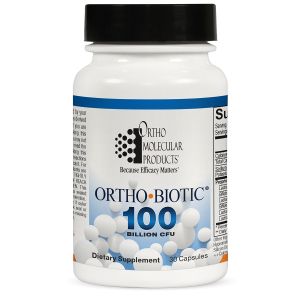
- • Consider a high-quality probiotic, especially after antibiotic use
4. Manage Stress—Even the “Low-Grade” Kind

Chronic stress quietly suppresses immune function, even when it doesn’t feel overwhelming.
Simple daily practices can help reset your nervous system:
- • 5–10 minutes of deep breathing or mindfulness
- • Gentle movement like walking or yoga
- • Taking breaks from constant news and screen exposure
Stress reduction isn’t a luxury—it’s a form of immune care.
5. Move Your Body (Without Overdoing It)
Moderate, consistent exercise improves circulation of immune cells and supports metabolic health.
During winter:
- • Aim for regular movement, even if it’s shorter sessions
- • Avoid intense overtraining when you feel run-down
- • Focus on walking, strength training, or low-impact cardio
6. Don’t Forget the Basics
These foundational habits still matter:
- • Wash hands regularly
- • Stay hydrated (indoor heat can be dehydrating)
- • Limit excess sugar and ultra-processed foods, which can impair immune response
A Final Thought
Staying well in winter isn’t about reacting once symptoms appear—it’s about daily support for your body’s natural defenses. Supplements and lifestyle choices work best when they’re consistent, personalized, and part of a bigger picture of health.
If you’re unsure which supplements are right for you, our pharmacists are always happy to help guide you toward safe, evidence-based options tailored to your needs.