
Acetyl L-Carnitine vs L-Carnitine: A Detailed Comparison
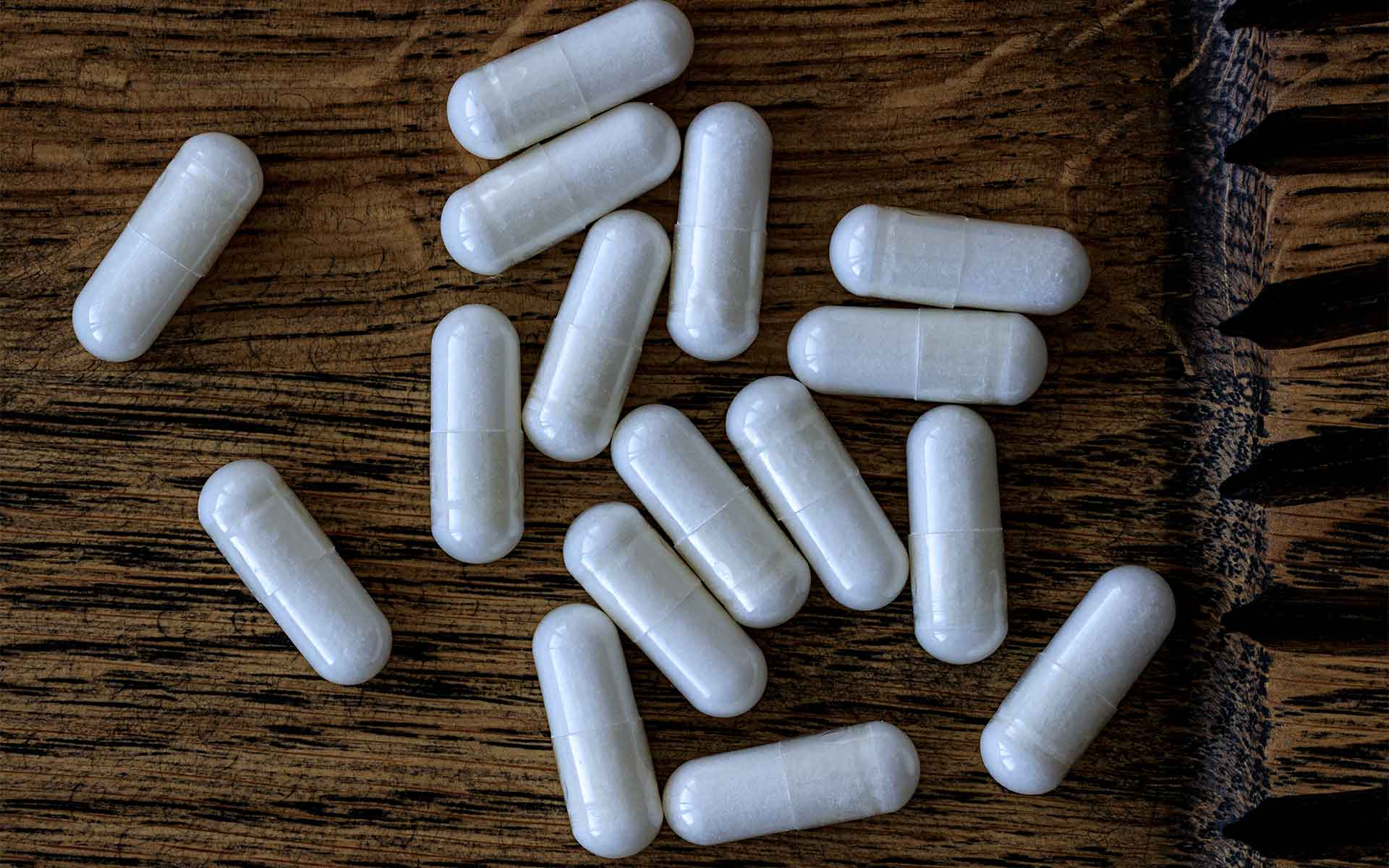
A customer came into the store recently asking about the difference between L-carnitine versus acetyl L-carnitine. This is a common misunderstanding, as both are supplements that can aid in energy production and muscle recovery. However, that’s where the similarities end. In today’s blog, we take an in-depth look at L-Carnitine vs Acetyl L-Carnitine, what each does, their key differences, and more, to help you understand how each can support your wellness goals.
Key Takeaways
- • L-carnitine is a naturally occurring compound that aids in energy production
- • Actyl L-carnitine is a modified form of L-carnitine and supports brain function
- • Carnitine is available in different supplemental forms
- • Acetyl L-carnitine is safe and has various benefits
What Is L-Carnitine and What Does It Do?
L-carnitine is a naturally occurring compound derived from amino acids lysine and methionine that aids in energy production. It does this by transporting fatty acids into the mitochondria within cells, like a little tram, where they are converted into energy your body uses. As with other cardio supplements, many turn to L-carnitine during workouts for its energy production.
The body naturally produces L-carnitine in the liver and kidneys, and it is then stored in tissues (mainly the muscles). Small amounts can also be obtained through diet, and the richest sources are animal-based foods, including red meat, poultry, pork, fish, and dairy products.
What Is Acetyl L-Carnitine (ALCAR)?
Is acetyl L-carnitine the same as L-carnitine? The short answer is yes, but with a key distinction. Acetyl L-carnitine is a modified (acetylated) form of L-carnitine that can pass through the blood-brain barrier, which L-carnitine cannot do. This ability is why acetyl L-carnitine is often used to enhance brain function, boost mental energy, and support nervous system health. So, ALCAR encompasses the functions of L-carnitine, as well as the effects of its interaction with the brain.
Other benefits of acetyl L-carnitine supplementation may include support for nerve health, increased physical energy, and improved muscle recovery. It also has antioxidant effects,¹ acting as a free radical scavenger to provide antioxidant support.
L-Carnitine vs Acetyl L-Carnitine: Key Differences

The main difference between L-carnitine vs acetyl L-carnitine is the added acetyl group, which allows ALCAR to pass the blood-brain barrier. With this ability, it can serve as a precursor to acetylcholine, a critical neurotransmitter responsible for learning, memory, and muscle control.
Which Is Better for Fat Loss?
L-carnitine concentrates its effects in the muscle. Studies² have shown that it can help reduce body weight, BMI, and fat mass. Therefore, between L-carnitine vs acetyl L-carnitine, the former is most often used for weight loss purposes or by those seeking to boost their exercise performance.
Comparing Carnitine Forms: ALCAR HCI vs L-Carnitine Fumarate vs Tartrate
When it comes to supplementation decisions, there are different forms of L-carnitine to consider. First, let’s compare L-carnitine tartrate vs L-carnitine fumarate. Although they are both forms of L-carnitine, they differ somewhat in composition and action. An L-carnitine tartrate formulation means the carnitine is bound to tartaric acid, creating a stable compound that is well absorbed by the body and widely used in sports nutrition for exercise performance and recovery support.
L-carnitine fumarate is a form of carnitine bound to fumaric acid, a compound involved in the body’s normal energy metabolism pathways. Fumarate plays a crucial role in cellular energy production within the Krebs cycle, enhancing overall energy levels and supporting muscle function. This formulation is often used to support both heart and muscle energy.
Like the other two, ALCAR HCI is also just a formulation of acetyl L-carnitine. HCI refers to hydrochloride, which is often used in supplements to improve stability and facilitate the body’s absorption. However, it's important to note that the hydrochloride (HCl) molecule adds extra weight. This means ALCAR HCl is only about 85% elemental acetyl L-carnitine. So, a capsule labeled as containing 600 mg of ALCAR HCl is actually delivering only about 500 mg.
Acetyl L-Carnitine Benefits: Brain, Body, and Beyond
Acetyl L-carnitine is considered the “brain health” form of carnitine. For example, it has been studied for its potential to support cognitive function and help slow aspects of age-related decline. Clinical research involving older adults in the early stages of frailty found that acetyl L-carnitine improved memory and cognitive processes. Preclinical studies³ have also shown that ALCAR and L-carnitine can improve energy levels, reduce oxidative stress, and prevent subsequent cell death in the models studied. And yet another study⁴ found that acetyl L-carnitine can support brain health and help maintain normal activity levels as age increases, without affecting body weight.
Acetyl L-carnitine has also been studied for its effects on mood and emotional well-being, indicating it may reduce symptoms of depression and anxiety by influencing brain signals.⁵ There has also been research involving its beneficial effects for painful neuropathies.⁶
Dosage, Timing, and How to Take Each Form
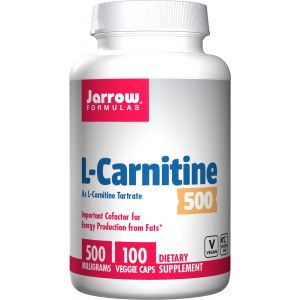
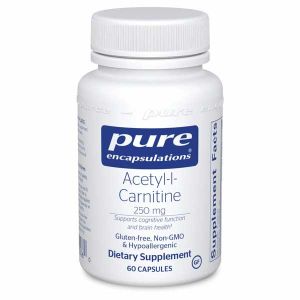
L-carnitine dosage recommendations can vary depending on your age, weight, health status, and the reason why you’re taking it. Generally, L-carnitine is typically taken in doses of 500 to 2,000 mg per day as capsules, tablets, or liquid with meals. Acetyl L-carnitine is commonly used at 500 to 2,000 mg per day as capsules or powder, often in the morning (as it can have a stimulant effect for some). Taking it on an empty stomach may improve absorption for some.
Can You Take L-Carnitine and Acetyl L-Carnitine Together?
Yes, they can be taken together if you want to support both physical performance and cognitive function. When combining the two, it's a good idea to start with moderate doses of each to see how your body responds. And, as with any supplement, we recommend consulting one of our pharmacists or another healthcare professional if you have existing health concerns or are on medications.
Is Acetyl L-Carnitine Safe? Side Effects to Know
Yes, acetyl L-carnitine is safe and generally well-tolerated when taken at the recommended doses. The most common side effect is a mild stimulant effect, which is why an AM dodge is recommended. Some have also reported mild anxiety or agitation. Some have also reported mild stomach upset or diarrhea.
Whether you're ready to try supplementing with L-carnitine vs acetyl L-carnitine, or both, Martin’s Wellness has high-quality supplements available in-store and online. Both forms of carnitine will provide your body with more of what it needs to reach your health goals. Not sure which is right for you, L-carnitine vs acetyl L-carnitine? Our pharmacists and wellness specialists are always available to help!
Frequently Asked Questions
Is Acetyl L-Carnitine the Same as L-Carnitine?
The two are related, but not the same. L-carnitine is mainly involved in transporting fatty acids into cells to support energy production, especially in muscle tissue. Acetyl L-carnitine is a modified form that can cross the blood-brain barrier, offering cognitive and neurological support.
Does Acetyl L-Carnitine Burn Fat?
It is involved in cellular energy metabolism and is sometimes included in weight-management formulas for its role in fatty acid transport.
Can You Take Both L-Carnitine and Acetyl L-Carnitine?
Yes, it's safe to take both together. However, it may not be necessary, as acetyl L-carnitine does everything regular L-carnitine does and can also cross the blood-brain barrier to support cognitive function (whereas regular L-carnitine does not).
When Should You Take Acetyl L-Carnitine?
The best time to take acetyl L-carnitine is in the morning, as it can cause a mild stimulant effect in some people.
1 - https://pmc.ncbi.nlm.nih.gov/articles/PMC6984015/
2 - https://pubmed.ncbi.nlm.nih.gov/32359762/
3 - https://pubmed.ncbi.nlm.nih.gov/28508995/
4 - https://pubmed.ncbi.nlm.nih.gov/3221536/
5 - https://www.dovepress.com/current-evidence-of-acetyl-l-carnitine-use-in-mood-disorders--a-system-peer-reviewed-fulltext-article-NDT
6 - https://lpi.oregonstate.edu/mic/dietary-factors/L-carnitine#peripheral-neuropathy-treatment